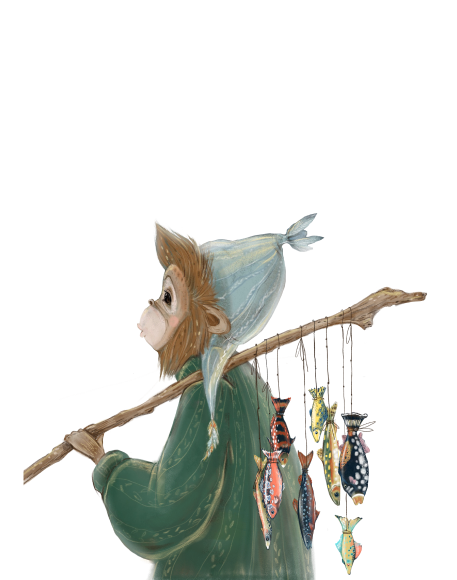
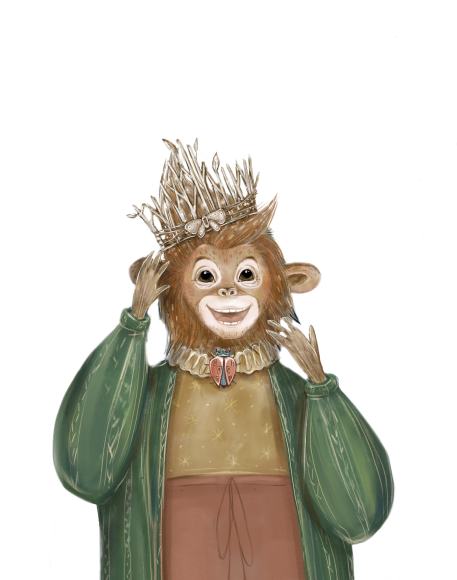
Matutu World
Forestland Framework
CAPACITIES: How do we help children build a healthy mind?
Co-Regulation and Emotional Awareness
Topics:
* Staying calm during meltdowns
* Repair after conflict
* Emotional safety
* Connection before correction
"You can't regulate what you can't recognize."
Topics:
* Naming feelings
* Interoception
* Body signals
* Emotional vocabulary
Because regulation happens socially.
Topics:
* Friendship
* Conflict
* Repair
* Boundaries
* Trust

Executive Function
* Planning
* Organization
* Attention
* Working memory
* Flexibility

Self-Regulation
Topics:
* Breathing
* Sensory tools
* Grounding
* Movement
* Recovery after overwhelm

Problem Solving
A calm brain can solve problems. A stressed brain usually can't. Regulation comes first. Problem-solving comes second.
Then you teach:
* Flexible thinking
* Breaking problems into steps
* Brainstorming
* Decision making
* Asking for help

Curiosity
Teach children:
"Instead of asking 'What's wrong with me?' ask 'I wonder what's happening?'"
Topics:
* Wonder
* Exploration
* Asking questions
* Mistakes as learning

Perspective Taking
Topics:
* Mentalizing
* Theory of Mind
* Understanding intentions
* Different brains think differently

Sense of Self
Children need to discover:
* Who am I?
* What am I good at?
* What do I need?
* What matters to me?
* How am I different?
* What makes me feel safe?
This is identity development rather than behavior management.

Resilience
Teach:
* Recovery
* Trying again
* Self-compassion
* Learning from mistakes

Our Story
As a licensed psychotherapist and creative entrepreneur, I specialize in emotional development, self-regulation and the ways children make sense of themselves and the world around them. My clinical work focuses primarily on supporting neurodivergent individuals, including those with Autism Spectrum Disorder (ASD), ADHD, anxiety, and emotional regulation challenges.
I completed my graduate training at the prestigious Silberman School of Social Work in New York City and have continued my advanced clinical education through psychoanalytic training at the Institute for Psychoanalytic Studies in New Jersey. Throughout my career, I have worked extensively with children, adolescents, adults, and families, helping them navigate complex emotional, developmental, and relational challenges.
I currently serve as a Co-Founder and Creative Director of Z in the Forestland, an educational entertainment company I created alongside my partner, Charles Carmona. Z in the Forestland is dedicated to developing emotionally intelligent stories, characters, and learning experiences that support social-emotional development in both neurotypical and neurodivergent children while providing practical tools and guidance for parents, caregivers, and educators.
My clinical foundation has taught me that behavior is communication. Every child, regardless of diagnosis, is constantly trying to make sense of their emotions, relationships, sensory experiences, and place in the world. Neurodivergent children often experience these challenges more intensely and may require different pathways to learning, self-expression, and connection.
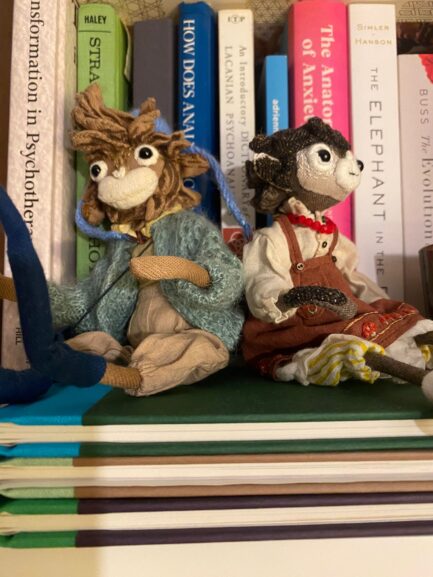
This understanding became one of the driving forces behind the creation of Zoozu. We believe that children learn best through stories, play, imagination, and emotionally meaningful experiences. Rather than focusing on deficits, our work highlights curiosity, self-awareness, emotional literacy, resilience, and the unique strengths that neurodivergent minds bring to the world.
In my clinical practice, I integrate a range of evidence-based and insight-oriented approaches, including Psychoanalytic Psychotherapy, Cognitive Behavioral Therapy (CBT), Dialectical Behavior Therapy (DBT), Internal Family Systems (IFS), EMDR, play therapy, and mindfulness-based interventions. My goal is not simply symptom reduction, but helping individuals develop a deeper understanding of themselves, build emotional flexibility, strengthen relationships, and cultivate lasting psychological well-being.
Through both clinical work and creative storytelling, my mission remains the same: helping children and families feel understood, connected, and empowered to grow into the fullest versions of themselves.
FIRST
SECOND
In addition to this core mission, we are also committed to empowering individuals to lead more fulfilling lives. Our primary focus is on providing valuable resources for self-awareness, improving relationships, and enhancing social interactions. Moreover, we strive to help you achieve this through a diverse range of offerings, including workshops, literature, thoughtful gifts, and fostering a sense of belonging.
Whether you prefer to engage with us online or seek our presence in inviting spaces and welcoming physical venues across the world, connecting with ZooZu World is effortless, ensuring that you can take advantage of the valuable resources and benefits it provides.
THIRD
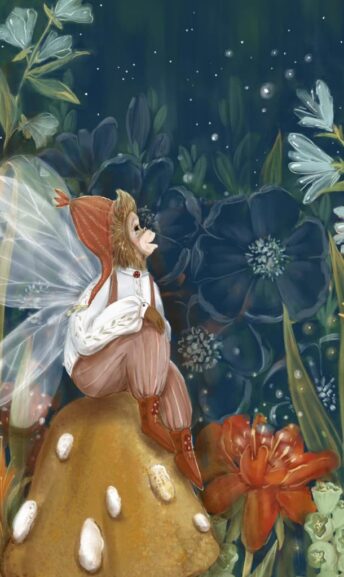
The importance of aesthetics and beautiful images in a child's environment cannot be understated. Engaging with visually pleasing surroundings and images can have a profound impact on a child's emotional and cognitive development. Exposure to aesthetics fosters creativity, stimulates imagination, and cultivates an appreciation for beauty, which, in turn, contributes to the child's overall sense of well-being and a deeper understanding of the world around them. These images can serve as a source of inspiration and comfort, influencing a child's perception of their surroundings and helping shape their aesthetic preferences as they grow and explore their own artistic inclinations.
FOURTH
Growing up as a child whose emotional needs often went unseen, I experienced firsthand what it feels like when the adults around you are consumed by their own unhealed pain. In those moments, I learned that what children need most is not someone to fix them—they need someone to truly see them, hear them, and help make sense of their inner world.
Later, both through my work as a psychotherapist and through my own family, I came to understand that not every child communicates their inner experience in the same way. Some children speak with words. Others communicate through behavior, movement, silence, repetition, sensory responses, or intense emotions. This is especially true for many neurodivergent children, including autistic children, whose ways of experiencing and expressing the world may differ from what society expects—but are no less meaningful.
These experiences shaped my belief that every child deserves a voice, whether that voice is spoken, drawn, played, sung, or simply understood by someone willing to listen.
Giving children a voice means creating environments where all children feel emotionally safe enough to express themselves in the ways that come naturally to them. It means helping children develop the language to understand their thoughts, feelings, bodies, and relationships while helping the adults around them become better listeners, interpreters, and co-regulators.
When children know that their experiences matter, they develop confidence, self-awareness, resilience, and a stronger sense of belonging. When parents, educators, clinicians, and communities genuinely listen—not only to what children say but also to how they communicate—we create spaces where children can thrive rather than simply fit in.
Our mission is to build those spaces.
We believe every child deserves to feel understood.
Every feeling deserves curiosity rather than judgment.
Every nervous system deserves compassion.
And every mind—neurotypical or neurodivergent—deserves to be seen not for how closely it matches expectations, but for the unique beauty it brings to the world.
Because when we give children a voice, we don't simply help them speak.
We help them discover who they are.

CONTACT US
For parents